
Creating a Balanced Nutrition Diet for Everyday Wellness, Eating Right
Maintaining good health in today’s fast paced world requires more than just occasional exercise or dieting. It demands a consistent approach to what we eat every day. A well structured diet can help manage weight, improve energy levels, and reduce the risk of chronic diseases such as diabetes. This article explores practical ways to create a balanced eating guide that supports everyday wellness, especially for those living in metro cities in India, juggling busy schedules, and diverse lifestyle needs.
Understanding the Balanced Eating Guide
A balanced eating guide is a framework that helps you include the right proportions of different food groups in your daily meals. It ensures your body receives essential nutrients like carbohydrates, proteins, fats, vitamins, and minerals. For people who are health conscious, food lovers, sports enthusiasts, or managing conditions like diabetes, following a balanced eating guide can be transformative.
Key Components of a Balanced Diet
Carbohydrates: Choose whole grains like brown rice, millets, whole wheat, green banana flour over refined grains. These provide sustained energy and fiber.
Proteins: Incorporate plant based proteins such as lentils, beans, chickpeas, and tofu along with dairy options like paneer, whey protein.
Fats: Opt for healthy fats from sources like nuts, seeds, olive oil, and avocados.
Fruits and Vegetables: Aim for a colorful variety to get a broad spectrum of vitamins and antioxidants.
Hydration: Drink plenty of water throughout the day to support metabolism and detoxification.
By following this guide, you can enjoy meals that are not only nutritious but also flavorful and satisfying.

Practical Tips for Implementing a Balanced Eating Guide
Adopting a balanced eating guide can seem challenging, especially with busy workdays and social commitments. Here are some actionable tips to help you stay on track:
Plan Your Meals: Dedicate time each week to plan meals. This reduces impulsive eating and helps maintain nutritional balance.
Portion Control: Use smaller plates and bowls to avoid overeating. Balance your plate with half vegetables, a quarter protein, and a quarter carbohydrates.
Smart Snacking: Choose nuts, fruits, or yogurt instead of processed snacks.
Cook at Home: Preparing meals at home allows you to control ingredients and cooking methods.
Mindful Eating: Eat slowly and savor your food to improve digestion and prevent overeating.
These strategies are especially useful for corporate employees and senior management who often face time constraints but want to maintain fitness and manage weight effectively.
What is the 3-3-3 Rule for Eating?
The 3-3-3 rule is a simple guideline to help regulate meal timing and portion sizes for better digestion and energy management. It suggests:
Eating 3 balanced meals a day.
Minimum 3 hours gap between each meal.
Consuming 3 food groups in each meal (carbohydrates, proteins, and fats).
This rule helps maintain steady blood sugar levels, which is crucial for people with diabetes or those aiming for weight loss. It also supports sustained energy release, preventing mid-day slumps common in busy urban lifestyles.
How to Apply the 3-3-3 Rule
Breakfast: Include poha / thepala / paratha (carbs), overnight soaked lentils / dosa / idli / high protein snacks or paneer (protein), and a handful of nuts (healthy fats).
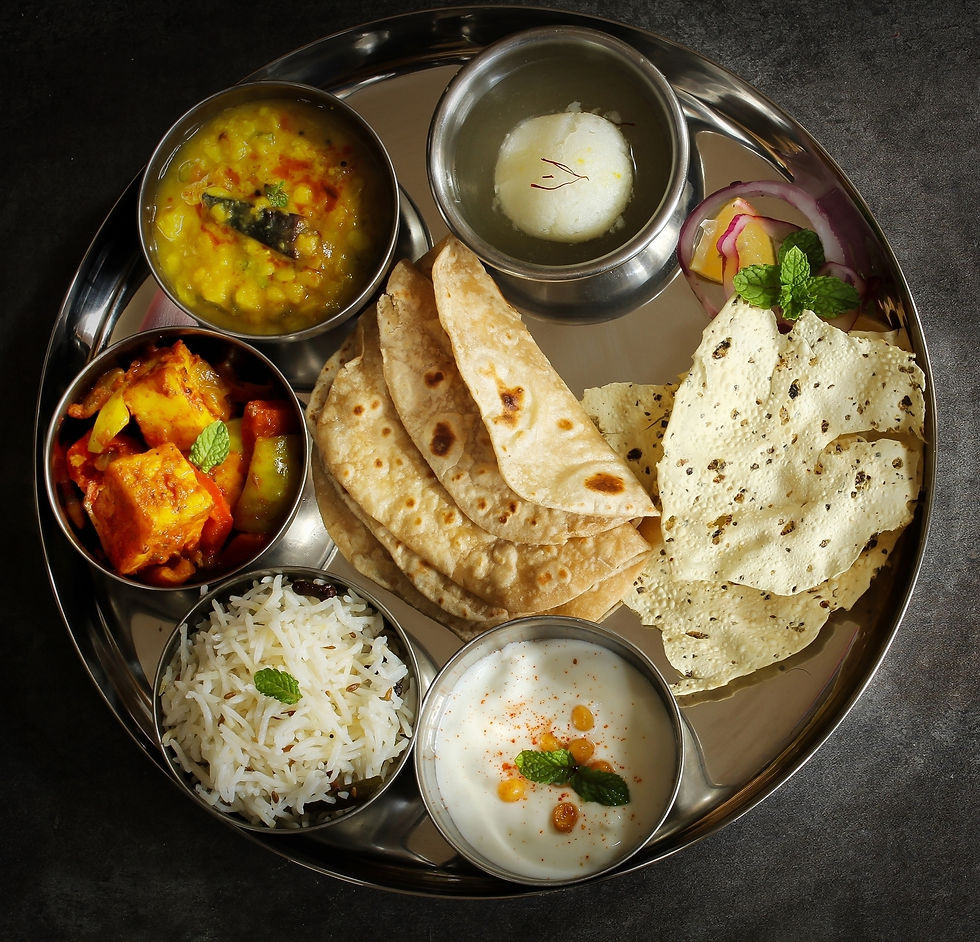
Lunch: Gluten free chapati, Brown rice (carbs), vegetable soup, vegetables, legumes or dal (protein), and a salad with olive oil dressing (fats).
Dinner: Gluten wheat chapati, fruits (carbs), vegetable soup, steamed vegetables, dal (protein), and a handful of nuts (healthy fats).
This approach encourages balanced meals that are easy to prepare and digest.
Special Considerations for Diabetes and Weight Loss
Managing diabetes and achieving weight loss goals require careful attention to diet quality and quantity. Here are some tailored recommendations:
Low Glycemic Index Foods: Choose foods that release sugar slowly, such as whole grains, legumes, green banana flour and non starchy vegetables.
Gluten Free Foods: Gluten free foods are helpful in fat burning, weight management and also in sugar management
Limit Added Sugars: Avoid sugary drinks, sweets, and processed foods.
Increase Fiber Intake: Fiber helps regulate blood sugar and promotes satiety.
Regular Meal Timing: Avoid skipping meals to prevent blood sugar spikes.
Physical Activity: Combine diet with regular exercise to improve insulin sensitivity and support weight loss.
For those in metro cities, where fast food and processed snacks are easily accessible, being mindful of these factors is essential for long term health.
Enhancing Your Balanced Nutrition Diet with Local Flavors
India’s diverse culinary heritage offers a wealth of options to create a balanced nutrition diet that is both healthy and delicious. Incorporating regional ingredients and cooking styles can make your meals more enjoyable and sustainable.
Use Millets: Bajra, jowar, and ragi are excellent sources of complex carbohydrates and fiber.
Spices for Health: Turmeric, cinnamon, and fenugreek have anti-inflammatory and blood sugar-regulating properties.
Seasonal Vegetables: Opt for fresh, seasonal produce to maximize nutrient intake.
Fermented Foods: Include curd, buttermilk, idli, and dosa to support gut health.
Green Banana Flour: Green Banana flour is rich in resistant starch, potassium, magnesium, fiber and protein. Excellent for gut health and digestion. Helping to keep you full longer and stabilize blood sugar levels.
Experimenting with these ingredients can keep your diet exciting while supporting wellness goals.
For more detailed guidance on creating a balanced nutrition diet, explore resources that offer personalized meal plans and expert advice.
Making Balanced Eating a Lifestyle Choice
Adopting a balanced eating guide is not about strict restrictions but about making informed choices that nourish your body and mind. It is a sustainable approach that fits into busy urban lives, supports fitness, and helps manage health conditions effectively.
Stay Consistent: Small, consistent changes lead to lasting results.
Listen to Your Body: Adjust your diet based on how you feel and your activity levels.
Seek Support: Consult nutritionists or join wellness groups for motivation and guidance.
By embracing balanced eating, you empower yourself to enjoy life fully with vitality and wellness.
Embracing Healthy Food Alternatives Everyday
Making small changes to your diet can lead to significant improvements in your health. Whether you choose to include more whole foods, explore plant based proteins, or find gluten free alternatives, every step can make a difference.
Remember, the journey to a balanced diet is a marathon, not a sprint. Every healthy choice brings you closer to your goals. Embrace the change, savor the flavors, and enjoy the benefits of a healthier lifestyle!
Banamin offers a range of healthy snacking options suitable for all age groups and everyone in family. Right from yummy falafel's to tempting dosa to traditional parathas to modern cookies and energy bars, Banamin offers irresistable variety for cravings. Start today by trying one new healthy food alternative and watch how it transforms your meals and overall well being.


Comments